

If you’re planning to use a baby chair taxi, there are a few important things you should know. First off, always confirm the correct child restraint for your little one based on their age and weight. For infants under one year, a rear-facing seat is essential while children aged 1-7 may need specific types of seats depending on their size. It’s also wise to book early, especially during busy times like airport transfers when availability can be tight. Don’t forget to check that the seat meets Australian safety standards and inspect the installation before starting your trip. Lastly, choosing experienced drivers who understand child restraints can make all the difference in ensuring a smooth journey for both you and your child.
Table of Contents
- Confirm the Correct Child Restraint for Your Child’s Age
- Book Early, Especially for Airport Transfers
- Ask About Compliance with Australian Safety Standards
- Check Installation and Child Safety Harness Before the Ride Starts
- Choose a Driver Experienced with Child Restraints
- Frequently Asked Questions
1. Confirm the Correct Child Restraint for Your Child’s Age
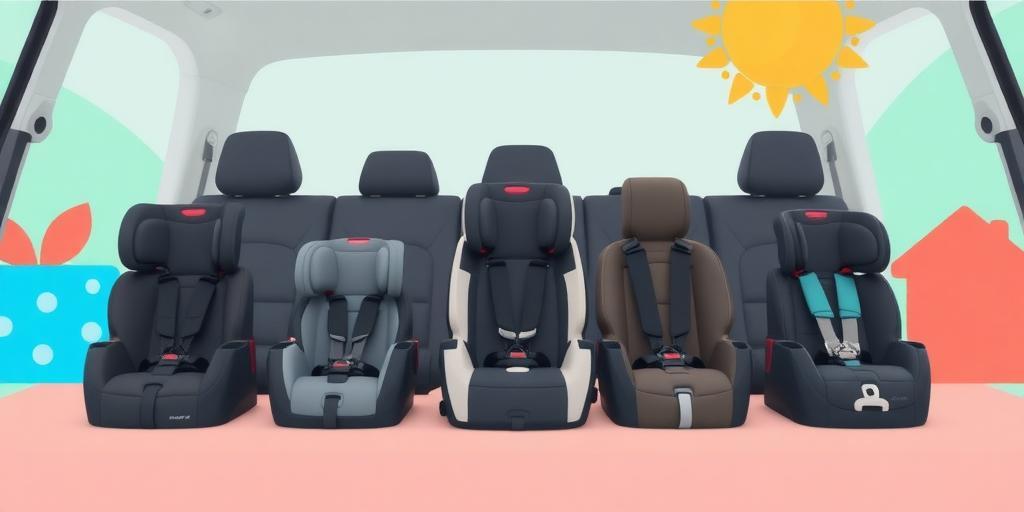
Before using a baby chair taxi, it is crucial to confirm the right child restraint for your child’s age and size. Always check your child’s height and weight, as different seats cater to different sizes. For infants under 1 year, a rear-facing car seat is the safest option. This position helps protect their developing bodies during a crash. As your child grows, typically between the ages of 1 to 4, they will require a forward-facing seat with a harness for added security. Once they reach 4 years old, you can transition them to a booster seat, which ensures that the seatbelt fits them properly. Always refer to the car seat manual or the manufacturer’s guidelines for specific age and weight limits. Some seats can convert as your child grows, which can save you money in the long run. If you’re unsure about the right choice, consider seeking advice from a professional fitting service for child restraints. Look for seats with good safety ratings and read reviews from other parents. It’s also important to check that your child can sit comfortably in the seat, as comfort can significantly affect their willingness to use it properly. Lastly, remember to replace any car seat that has been in a crash, even a minor one, as it may no longer be safe.
| Age Group | Type of Child Restraint | Safety Considerations |
|---|---|---|
| Infants (Under 1 Year) | Rear-Facing Car Seat | Required for safety; supports developing bodies. |
| Children (1-4 Years) | Forward-Facing Seat with Harness | Provides added security during travel. |
| Children (4-7 Years) | Booster Seat | Ensures proper seatbelt fit for enhanced safety. |
2. Book Early, Especially for Airport Transfers

When planning your travel, especially for airport transfers, booking your taxi early is crucial. Airports can be bustling places, and securing a child seat in advance helps avoid the stress of last-minute arrangements. Many taxi services don’t include child seats by default, so it’s wise to check if they have options for child restraints when you make your booking. If you know your flight time, try to book at least 24 hours in advance to ensure everything is set. This early booking also allows you to compare different services and choose the one that best fits your family’s needs. Keep in mind that peak travel times, like weekends and holidays, can lead to higher demand for taxis, so planning ahead is even more important. If you are travelling with a group, think about how many child seats you will need and make the necessary arrangements. Some services offer flexible booking options, allowing you to modify your plans if needed, but always confirm your reservation a few hours before your trip to ensure that all details are in order.
- Airport transfers can be busy times, so booking in advance is key to securing a child seat.
- Check if the service offers a specific option for child restraints when you book.
- Consider your flight time; booking the taxi early can help avoid last-minute stress.
- Some services allow you to modify your booking, so keep your plans flexible when possible.
- Look out for family-friendly taxi services that specifically mention child seats in their offerings.
- Booking early can help you compare options and choose the best service for your needs.
- Be aware of peak travel times; weekends and holidays can see high demand for taxis.
- Use online booking platforms for easy comparison of services and prices.
- If travelling with a group, consider how many child seats you will need and plan accordingly.
- Always confirm your booking a few hours before your trip to ensure everything is set.
3. Ask About Compliance with Australian Safety Standards
Before you hop into a taxi with your little one, it’s crucial to check that the child seat complies with the Australian/New Zealand Standard AS/NZS 1754. This standard ensures that the seat is designed to keep your child safe during the ride. When booking your taxi, don’t hesitate to ask if the seat meets these safety standards, as this will give you peace of mind.
Look out for labels or stickers on the child seat that indicate compliance, and consider researching the taxi service’s reputation for safety and compliance. Reading reviews from other parents can provide insights into their experiences with the child seats offered by the service. Some taxi companies may even have additional certifications to reassure you of their commitment to safety.
If you have any doubts, feel free to ask the driver about the seat’s history and safety compliance while you’re on the way. Keeping informed about any recalls on child seats is also essential, as you want to ensure that the seat provided is not part of such recalls. Remember, compliance can differ between services, so asking specific questions can really make a difference in ensuring your child’s safety.
4. Check Installation and Child Safety Harness Before the Ride Starts
Before you hit the road, take a few minutes to ensure the child seat is installed correctly. It should be securely fastened to the car seat using the seatbelt or the ISOFIX system if available. The harness must be snug, fitting comfortably over your child’s shoulders without any slack. Don’t forget to check that the buckles are in good working order and free from damage.
If you’re unsure about how to install the seat properly, don’t hesitate to ask the driver for assistance or seek help from someone experienced. Your child’s safety is paramount, so make sure they are comfortable in the seat and that there are no loose items around them that could distract them during the ride.
It’s also crucial to ensure the seat is not placed in front of an active airbag, as this can be dangerous in the event of an prang. If you’re in doubt about the installation, consider using a seat check service available in some areas to verify everything is done right.
As your child grows, remember to adjust the harness accordingly to maintain their safety and comfort. If you notice any signs of damage to the seat, do not use it and ask for a replacement before your journey begins.
5. Choose a Driver Experienced with Child Restraints
When booking your baby chair taxi, it’s crucial to choose a driver who is experienced with child restraints. Look for services that specifically mention their drivers’ familiarity with child seats. A knowledgeable driver can ensure your child’s safety and comfort during the ride, providing peace of mind for you as a parent. Don’t hesitate to ask about a driver’s experience in handling child seats when booking, especially for longer trips, as this can make a significant difference.
It’s also a good idea to check if the taxi company provides training for drivers on child seat safety and installation. Reading reviews can give you insight into other parents’ experiences, particularly those that mention the driver’s attentiveness to child safety measures. A driver who understands how to secure your child properly not only enhances safety but can also offer helpful tips for installation and use.
If possible, opt for a service that allows you to request a driver experienced in family transport. This way, you can ensure that the driver is familiar with the specific type of child seat provided and how it operates. Meeting the driver before the trip starts can also be beneficial, allowing you to discuss any specific needs regarding the child seat. A good driver will be patient and willing to assist you in securing your child safely before you embark on your journey.
Frequently Asked Questions
What is a Baby Chair Taxi and how does it work?
A Baby Chair Taxi is a special taxi service that provides a safe and comfortable chair for your little one. This means that when you book a ride, you can ensure the taxi will be equipped with a baby chair suitable for your child’s age and size.
Are Baby Chair Taxis available in all areas?
Not every area has Baby Chair Taxi services, so it’s important to check availability in your suburb or city. In major cities, they are often easier to find.
How do I know if the baby chair is safe for my child?
Most Baby Chair Taxis use chairs that meet safety standards. You can check the service’s website or ask the driver about the chair’s safety features before you get in.
Can I use my own baby chair in a taxi?
Typically, you should be able to use your own baby chair in a taxi, but it’s best to confirm this with the taxi company first, as some might have specific policies.
What should I do if the taxi doesn’t have a suitable baby chair?
If you find yourself in a situation where the taxi doesn’t have a proper baby chair, you should let the driver know immediately. Most services will aim to resolve this quickly, either by providing a different vehicle or suggesting alternatives.
TL;DR Before using a baby chair taxi, remember these five important tips: confirm the right child restraint for your child’s age, book early for availability especially for airport transfers, ensure compliance with Australian safety standards, check the installation and safety harness of the seat before the journey, and choose a driver experienced with child restraints for proper safety. Following these steps will help ensure a secure and smooth ride for you and your little one.

